

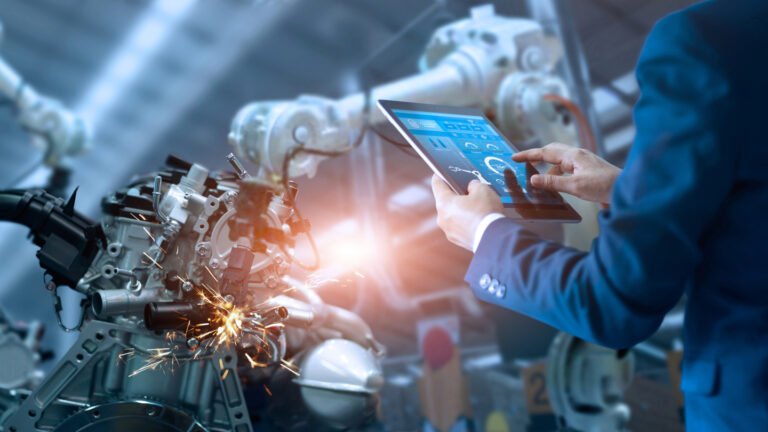
Robots are no longer something we only see in science fiction movies. They are becoming a normal part of our daily lives, helping people at home, in hospitals, offices, and even schools. As technology keeps improving, robots are becoming smarter, faster, and more useful than ever before.
The future of robotics is exciting because these machines are designed to make everyday tasks easier. Instead of replacing people completely, many robots are built to work alongside us, saving time and reducing stress.
Smarter Homes with Helpful Robots
Home robots are already changing the way people manage their daily routines. Robot vacuum cleaners, lawn mowers, and smart assistants have become common in many households.
In the coming years, we can expect robots that can fold laundry, prepare simple meals, organize groceries, and even remind family members about important appointments. These small improvements can make busy lives much easier.
Better Healthcare for Everyone
Healthcare is one of the biggest areas where robotics is making a real difference. Doctors already use robotic systems during certain surgeries because they can provide greater precision.
In the future, robots may help elderly people live more independently by reminding them to take medicine, monitoring their health, or calling for help during emergencies. Hospitals may also use robots to deliver supplies and assist medical staff with routine work.
Making Work Easier
Many workplaces already use robots for repetitive tasks. Factories, warehouses, and delivery centers rely on robotic systems to improve speed and accuracy.
As robotics continues to grow, people will spend less time on repetitive work and more time on creative thinking, problem-solving, and customer service. This could lead to better productivity and more interesting jobs.
Robots in Education
Schools are beginning to introduce robots as learning tools. They can help students understand science, coding, and engineering in fun and interactive ways.
Future classrooms may include robotic assistants that support teachers, answer simple questions, and provide personalized learning based on each student’s progress.
Helping People with Disabilities
Robotics has the power to improve the quality of life for people with disabilities. Smart prosthetic limbs, robotic wheelchairs, and wearable robotic devices are already helping people become more independent.
As technology becomes more affordable, these life-changing tools may become available to many more people around the world.
Smarter Cities
Cities of the future could use robots for public services such as cleaning streets, inspecting roads, maintaining public spaces, and even assisting during natural disasters.
Delivery robots may become a common sight, bringing groceries, food, and packages directly to people’s homes while reducing traffic and improving convenience.
Challenges We Still Need to Solve
While robotics offers many benefits, there are still important challenges. Privacy, safety, and job changes are concerns that governments and businesses need to address.
It’s also important to make sure robots are used responsibly and ethically. Technology should improve people’s lives without creating unnecessary risks.
What the Future Looks Like
The future of robotics isn’t about living in a world controlled by machines. It’s about creating tools that help people live better, work smarter, and spend more time on the things that truly matter.
As robots become more advanced, they will likely become as common as smartphones and computers are today. The biggest change may not be the robots themselves, but how naturally they fit into our everyday lives.
Final Thoughts
Robotics is moving from science fiction to everyday reality. From helping at home to improving healthcare, education, and workplaces, robots are becoming valuable partners in modern life.
The future isn’t about humans versus robots. It’s about humans and robots working together to make life safer, easier, and more comfortable. As innovation continues, robotics will become one of the most exciting technologies shaping the years ahead.