

Introduction
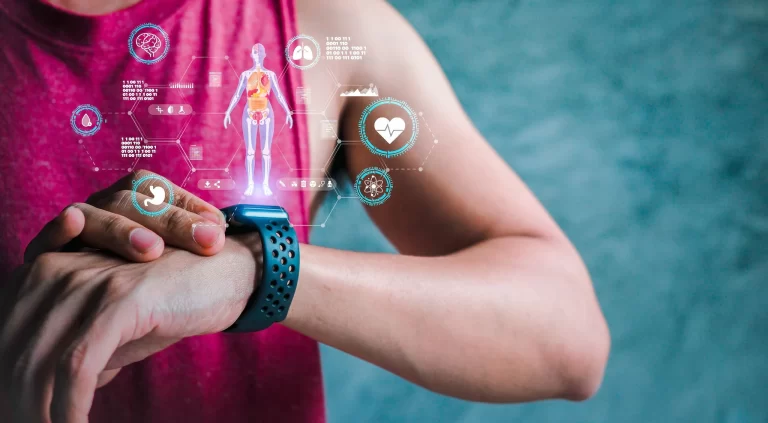
Wearable health technology has come a long way over the past few years. What started with simple step counters has now turned into smart devices that can track your heart, sleep, stress, and even give early health warnings. In 2026, wearables are becoming part of everyday life for millions of people.
These devices are no longer just for fitness lovers. Students, working professionals, parents, and older adults are all using wearable technology to better understand their health. The goal isn’t just to collect data—it’s to help people make healthier choices every day.
What Is Wearable Health Technology?
Wearable health technology includes electronic devices that you wear on your body to monitor different aspects of your health. They collect information throughout the day and present it in a simple way through mobile apps or smart displays.
Popular examples include:
- Smartwatches
- Fitness bands
- Smart rings
- Health-tracking patches
- Smart clothing with built-in sensors
Each device offers different features, but they all focus on helping users stay informed about their well-being.
The Biggest Trends in 2026
Wearable technology has become much smarter this year. Instead of only counting steps, modern devices can provide useful insights that help people improve their daily habits.
Some of the biggest trends include:
- More accurate heart rate monitoring
- Better sleep tracking with personalized tips
- Stress detection using body signals
- Continuous health monitoring throughout the day
- AI-powered health recommendations
- Longer battery life and faster charging
These improvements make wearable devices more practical than ever before.
AI Is Making Wearables Smarter
Artificial intelligence is one of the biggest reasons wearable technology has improved so much. Instead of simply showing numbers, devices now explain what those numbers actually mean.
For example, if your stress levels stay high for several days, your smartwatch may recommend taking a break, practicing breathing exercises, or getting more sleep. It feels less like reading a report and more like having a personal wellness assistant.
Better Fitness Tracking
Fitness tracking is still one of the most popular reasons people buy wearable devices. In 2026, workout tracking has become more accurate and easier to use.
Whether you’re walking, cycling, lifting weights, swimming, or doing yoga, most wearables can automatically recognize the activity. They also provide useful feedback to help users stay motivated without making fitness feel overwhelming.
Sleep Monitoring Is More Useful
Getting enough sleep has become a major health priority, and wearable devices are helping people understand their sleeping habits better than ever.
Instead of simply telling you how many hours you slept, today’s devices analyze sleep quality, identify possible interruptions, and suggest small changes that could help you wake up feeling more refreshed.
Helping People Manage Long-Term Health
Wearable technology is becoming valuable for people living with ongoing health conditions. Many devices now allow users to keep a closer eye on important health measurements and share reports with healthcare providers if needed.
This makes it easier to notice changes early and stay more involved in personal health management between doctor visits.
Smart Rings Continue to Grow
Smart rings have become one of the biggest wearable trends in 2026. Many people prefer them because they’re lightweight, comfortable, and less noticeable than a smartwatch.
Despite their small size, many smart rings can track sleep, heart rate, activity, body temperature, and recovery with impressive accuracy.
Privacy Matters More Than Ever
As wearable devices collect more personal health information, privacy has become a bigger concern. Companies are adding stronger security features to protect user data.
Before buying a wearable device, it’s always worth checking how your information is stored, who can access it, and what privacy settings are available.
Things to Consider Before Buying
Not every wearable is the right fit for everyone. The best choice depends on your lifestyle, budget, and health goals.
Here are a few things to consider:
- Battery life
- Comfort for daily wear
- Health features you actually need
- Compatibility with your phone
- Subscription costs, if any
- Data privacy and security
Choosing the right device is often more important than buying the most expensive one.
The Future Looks Even Smarter
Wearable health technology is expected to become even more advanced over the next few years. Future devices may offer earlier health warnings, better disease monitoring, and even more personalized wellness guidance.
The focus is shifting from simply tracking health to helping people prevent problems before they become serious.
Final Thoughts
Wearable health technology in 2026 is about much more than counting steps or calories. These devices are helping people understand their bodies, improve daily habits, and make smarter health decisions with less effort.
While no wearable can replace professional medical care, they can be excellent tools for building healthier routines. As technology continues to improve, wearable devices will likely become an even more valuable part of everyday life.